What Is the Job of a Structural Engineer?
Learn what a structural engineer does and why you need them.


Key Takeaways
- A structural engineer is a licensed professional who evaluates a building's structural condition.
- In most states, only a registered structural engineer can give an opinion on structural integrity.
- Foundation or wall cracks, pest or rot damage and storm damage call for an inspection.
- A structural inspection costs between $500 and $1,500 on average.
A structural engineer is a licensed professional who evaluates the structural condition and integrity of a home or building. The structure of the home is considered the “bones” of the home, including the foundation, floor structure, wall structure, ceiling structure, and roof structure. A structural inspection scrutinizes these areas and provides a written report on their condition.
By law in most states, only a registered structural engineer can render an opinion on the structural integrity of the building, evaluating both the interior and exterior condition of the structure.
Homes of any age are subject to soil erosion, weather conditions, ground shifting, and warping over time. Structural engineers inspect the structural components of a home, including the foundation or slab and structural framing. Typically, a structural engineer’s report will include an elevation survey of the home’s foundation and a computer-generated drawing of the foundation with measurements.
When to Get a Structural Inspection
Here is a list of scenarios when a homebuyer or seller would need a structural inspection by an engineer:
- When a home inspector detects a structural defect.
- When there are cracks in the foundation or walls.
- When carpenter ants, termites, or rot damage is detected.
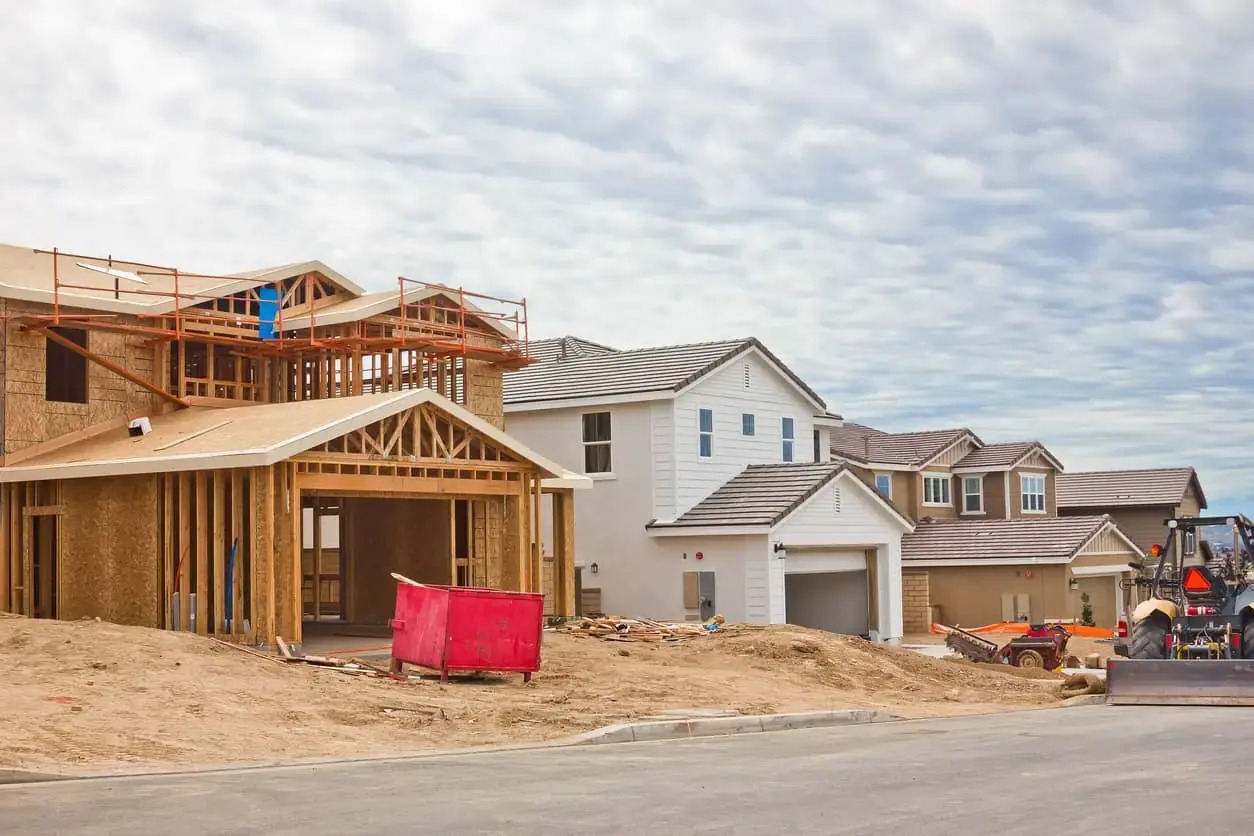
- When a new home is under construction.
- When a lending institution needs an engineer’s opinion before underwriting a loan.
- When there is fire, flood, or high wind damage.
Importance of Experience
Experience is critical when hiring an engineer or structural inspector to perform a structural inspection. Good structural engineers will identify any problems, if they exist, and will most likely recommend a solution that protects them from liability.
Detailed Examples and Common Issues
Structural engineers often encounter common issues during inspections, such as:
- Foundation cracks: These can result from soil movement, water damage, or poor construction practices.
- Wall cracks: Often due to settling, thermal expansion, or structural load changes.
- Termite damage: Weakening wood structures, making the home unsafe.
- Rot damage: From moisture exposure, especially in basements or areas with poor ventilation.
Visuals for Better Understanding
To better understand the kinds of issues that might be detected during an inspection, consider the following examples:
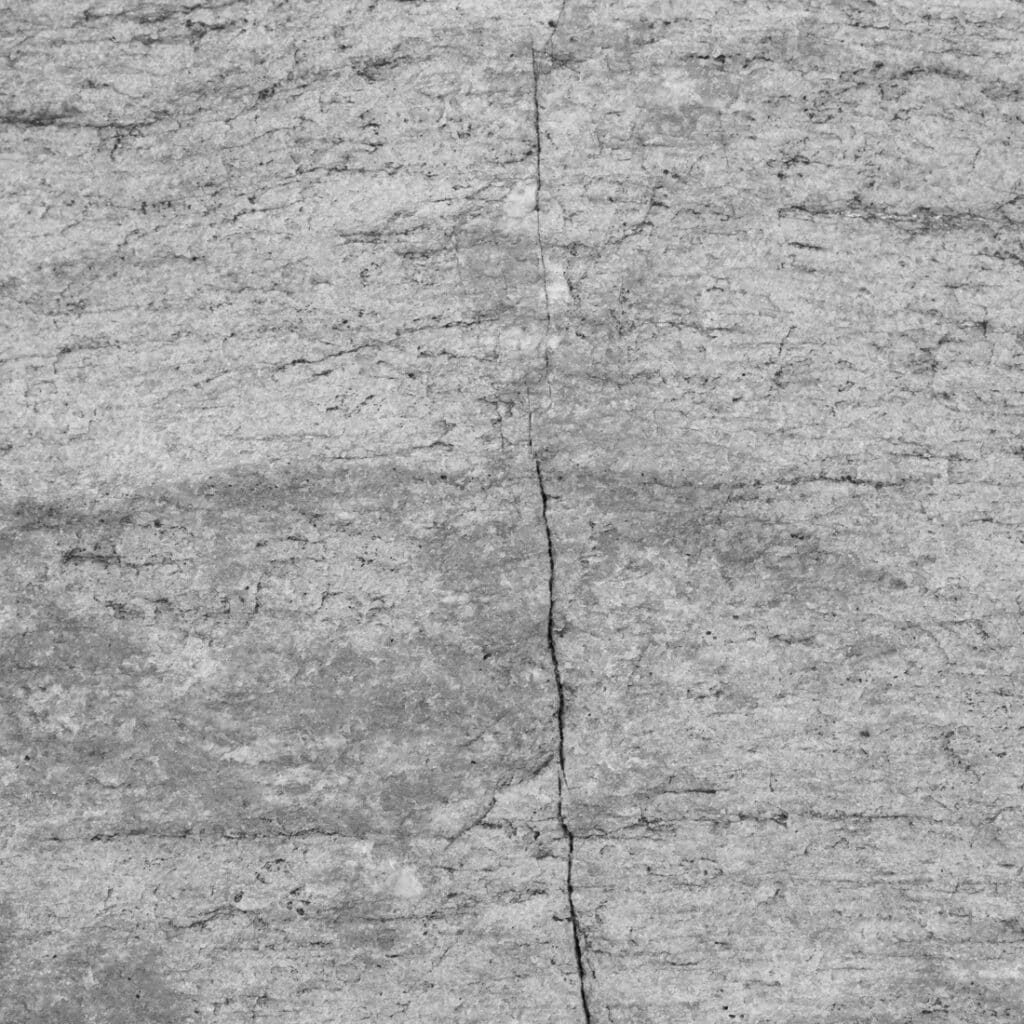
Foundation cracks. This is something you might see in a concrete slab.
Costs and Hiring Tips
The cost of hiring a structural engineer can vary widely based on the size of the home, the complexity of the issues, and the location. On average, a structural inspection can cost between $500 and $1,500.
Tips for Hiring a Good Structural Engineer:
- Check credentials: Ensure they are licensed and registered in your state.
- Experience: Look for engineers with extensive experience in residential inspections.
- References: Ask for references from previous clients.
- Insurance: Ensure they have liability insurance.
Structural engineers play a vital role in ensuring the safety and integrity of homes and buildings. Whether you are buying, selling, or maintaining a property, knowing when to call a structural engineer and what to expect can save you time, money, and stress.
Frequently Asked Questions
How much does a structural inspection cost?
On average between $500 and $1,500, depending on the size of the home, the complexity of the issues and the location.
When do you need a structural engineer?
When a home inspector finds a structural defect, when there are foundation or wall cracks, after fire, flood or wind damage, or when a lender requires an engineer's opinion.

About the author: Sarah Donovan
RealtyTrac contributor
Sarah Donovan is a contributor to RealtyTrac who writes about home buying and real estate investing. She has written for RealtyTrac since 2023, covering home buying guides, investment guides, wholesaling, fix-and-flip strategies and market reports.
More in Home Buying
Member Features
Find Real Estate Bargain!
Full foreclosure details
Home value, equity and ownership info
Find homes priced below market
Get full access with a FREE Account
Already a member?